
A few millimeters of skin under the nose: what is removed during a bullhorn lift

During a bullhorn lift, a narrow spindle of skin is removed from beneath the nose. Dr. med. Zeynep Potente shows the excised piece after the procedure and explains how much tissue was removed in this case and why the wound is sutured in two layers.
Sagging and lack of volume at the same time: why a single procedure wouldn't have been enough
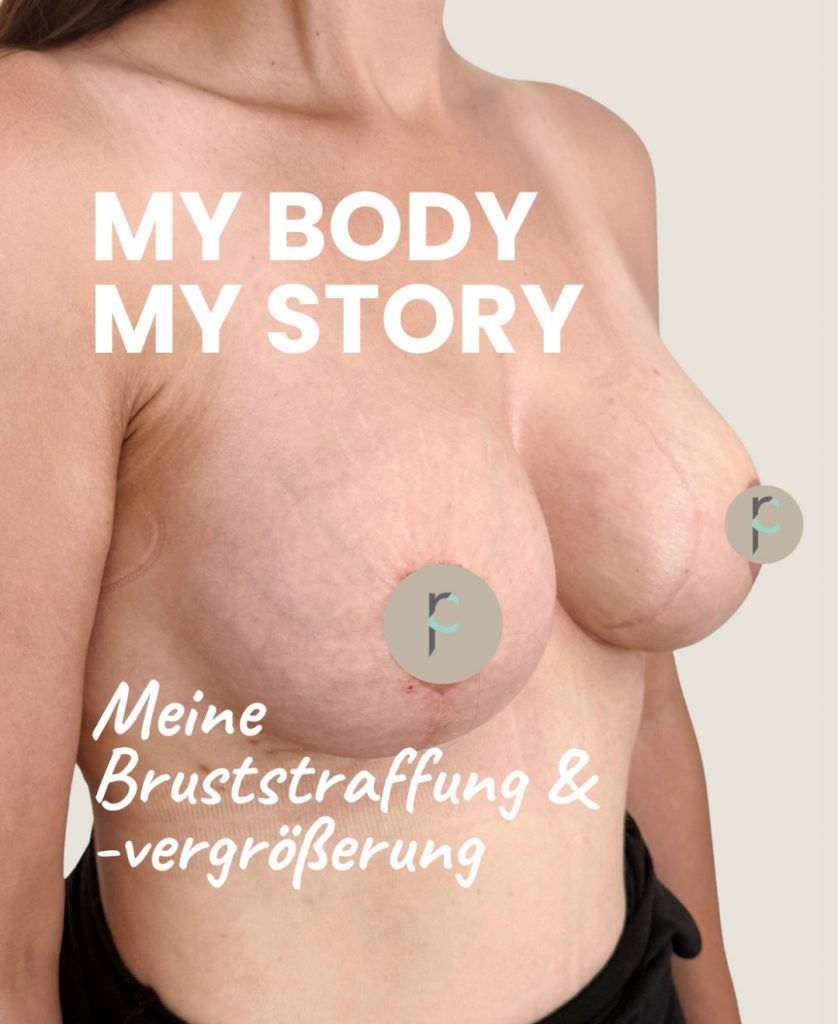
After pregnancies, breastfeeding, and significant weight loss, her breasts were severely sagging and had almost no volume. Why neither a lift nor an implant alone would have been enough, and how she came to her decision at 39.
After 60 kilograms of weight loss: breasts, upper arms, and thorax in one surgery

After significant weight loss, excess skin remains—and rarely in just one spot. When the breasts, upper arms, and lateral chest wall can be tightened in a single procedure, and from what point on the excess skin becomes a functional problem rather than an aesthetic one.
Abdominoplasty after severe weight loss: why the skin does not shrink back

People who lose a lot of weight lose fat – but not the skin that was needed before. On the abdomen, it often remains as an apron, and on the chest as sagging. How a vertical and horizontal tummy tuck is performed and why the abdomen and chest are operated on sequentially.
Breast reduction for symptoms: When the procedure is medically justified

Groove marks from bra straps, sore skin, and recurring inflammation in the inframammary fold: Very large breasts can be a constant burden in daily life. Whether a breast reduction is medically justified depends on the symptoms—not the cup size.